The design process · 5 min read
Types of garment samples, and when you need each one
From the first rough proto to the piece pulled from the production line. What each sample is for, what to check on it, and how to write comments a factory can act on.
The short answer
Garment samples are test versions of a style, made before and during production. The main types, in order, are the proto, fit sample, size set, salesman sample, photo sample, pre-production sample and top of production sample. Names change from one factory to the next, so agree what each one means before you order it.
Samples in order
Every sample answers a different question. The further along you go, the closer it gets to the real thing, and the more a change costs.
| Sample | When | The question it answers |
|---|---|---|
| Proto | First | Does the design work? |
| Fit | After the proto | Does it sit right on a body? |
| Size set | After fit approval | Does it work across all sizes? |
| Salesman (SMS) | Before orders close | Will buyers order it? |
| Photo | Before launch | Does it look right for marketing? |
| Pre-production (PP) | Just before bulk | Is everything final? |
| Top of production (TOP) | Start of the run | Does bulk match what was approved? |
Not every style goes through all of these. A small brand may only make a proto, a fit sample and a pre-production sample.
Proto sample
The first real version of your garment, made from the tech pack and first pattern. It is usually one size, and often in a stand-in fabric of a similar weight, since your real fabric may not exist yet.
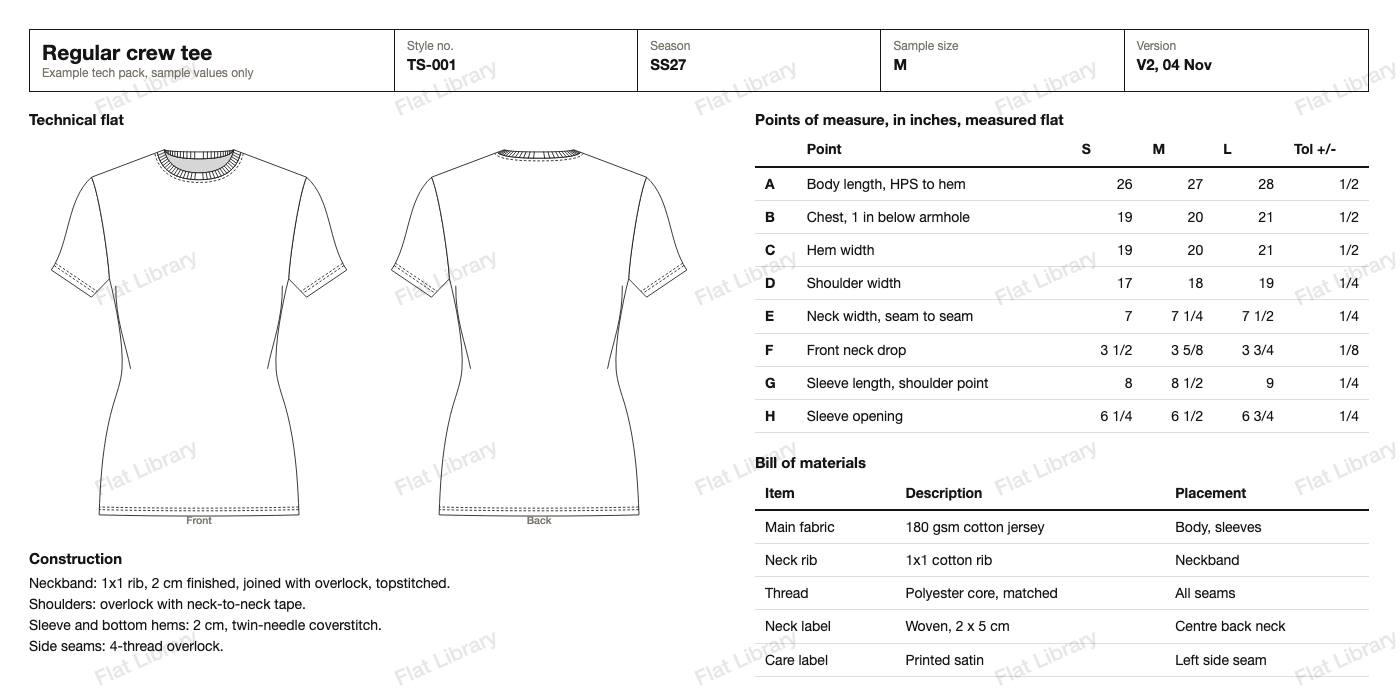
Check: overall shape, proportions, seam placement, and whether it matches the flat. Do not worry about colour or small finish details yet.
Fit sample
Made once the proto's design is agreed, using fabric as close to the final one as possible. It goes on a fit model or a form, and may come back around several times.
Check: how it moves when someone sits, reaches and walks. Measure it against your points of measure. Note where it pulls, gapes or bags, then decide if the fix belongs in the pattern or the spec.
Size set
The same garment across your size range, or at least the smallest, the largest and the base. It tests your grading, because a pattern that fits perfectly in a medium can fall apart in the largest size.
Check: each size against the graded measurements, and try them on bodies at those sizes if you can.
Salesman sample
Often shortened to SMS. These go to sales agents, showrooms and trade shows, so buyers can see the range and place orders. Appearance matters more than perfect fit, and they are usually made in real or near-real fabric and colours.
Check: that it looks like what you intend to deliver. If something on it will change in production, tell the buyer.
Photo sample
Made for lookbooks, e-commerce and marketing, usually in the size the model wears. It has to look right on camera, and it needs to be ready well before stock is, so you may photograph something made ahead of bulk.
Pre-production sample
The last checkpoint. The PP sample is made with the actual materials, trims, labels and methods planned for bulk. Your written approval of it is usually the signal for the factory to begin. It then becomes the reference everyone measures the order against, so keep one safely.
Check: everything. Fabric, colour, thread, stitching, trims, labels, measurements and packaging.
Top of production sample
Pulled from the first pieces on the real production line. At this stage a problem can still be stopped before it runs through the whole order.
Check: compare with the PP sample side by side, and measure a few pieces in different sizes.
How to review a sample
- Lay it next to the tech pack and go through it line by line. Do not trust your memory of what you asked for.
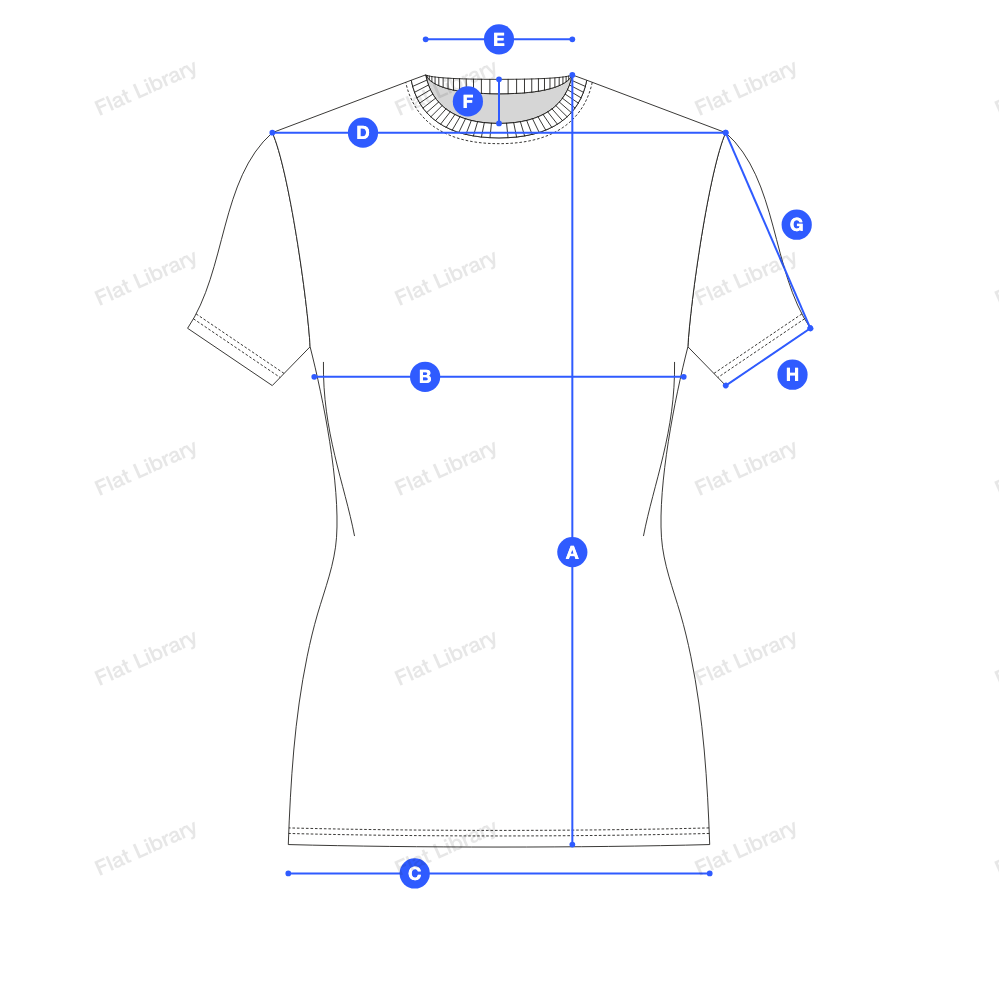
- Measure every point, and write the difference next to the spec. Anything outside tolerance goes on the list.
- Try it on a body, and move around in it. Flat measurements can be right and the fit can still be wrong.
- Inspect the construction. Stitching, seam type, finishes, inside as well as out.
- Photograph every problem. Mark the photo or the flat so nobody has to guess.
- Update the flat and the tech pack, with a new version number, before you send your comments back.
Write comments a factory can act on
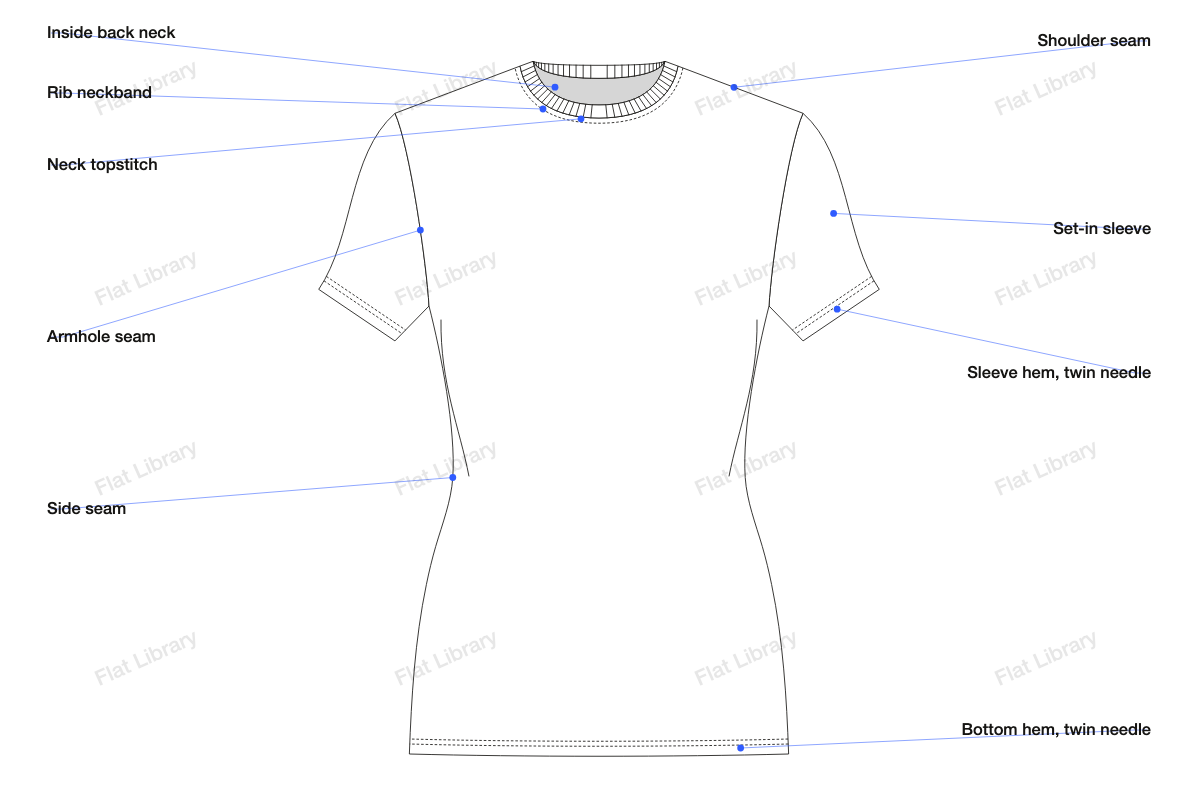
"The sleeve feels too tight" gives the factory an opinion to interpret. "Sleeve opening measures 5 3/4 inches, spec is 6 1/2, please correct to spec" gives it an instruction. Add a marked-up picture and it is hard to get wrong.
How to need fewer samples
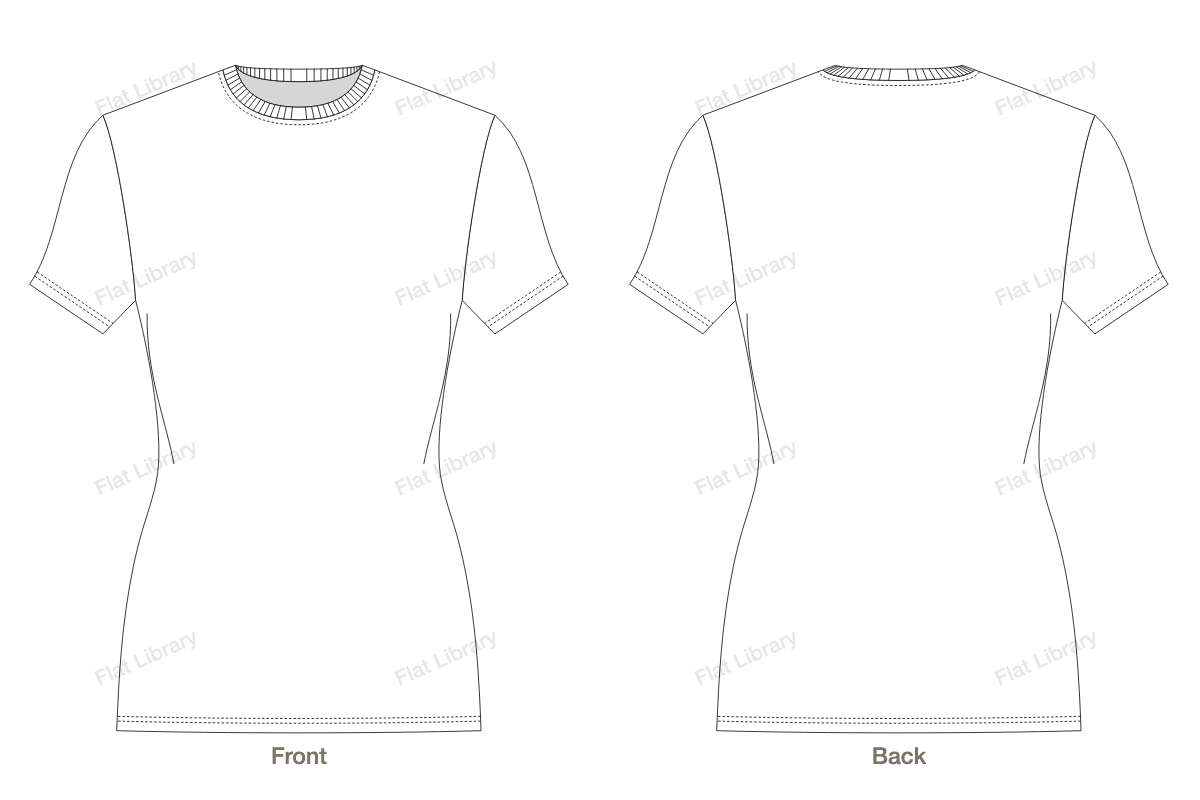
- Send a complete tech pack the first time, with both a front and a back view.
- Send a reference garment if you have one, because a physical example answers many questions at once.
- Give all your comments together, instead of one at a time, so each round fixes as much as it can.
- Keep your flats up to date, so the drawing and the sample never disagree.
Questions people ask
How many samples does it take to get a garment right?
Plan for more than one. Many brands expect two or three rounds before they approve a sample, and a complicated style can take more. A clear tech pack is the most reliable way to cut the number.
Who pays for samples?
Usually the brand, either per piece or as a development fee. Terms vary a lot between factories, so ask for prices up front. Some factories take sample fees off a bulk order that follows.
What is the difference between a proto and a fit sample?
A proto checks the idea: does the design work at all? A fit sample checks how that design sits on a body, in closer to the real fabric, against real measurements.
What does PP sample mean?
PP stands for pre-production. It is the last sample before bulk, made with the final materials and trims, and your approval of it is the go-ahead to start the order. Some brands call it a sealed sample.
What is a TOP sample?
TOP stands for top of production. These are pieces pulled from the start of the real run, so you can check that bulk goods match the approved pre-production sample before the whole order is finished.
Can 3D samples replace physical ones?
They can reduce them, especially at the early stages, by catching shape and proportion problems before cutting. Most brands still check a physical sample for fit, fabric and quality before production.